Floral Dragon Japanese Art: A Designer's Review
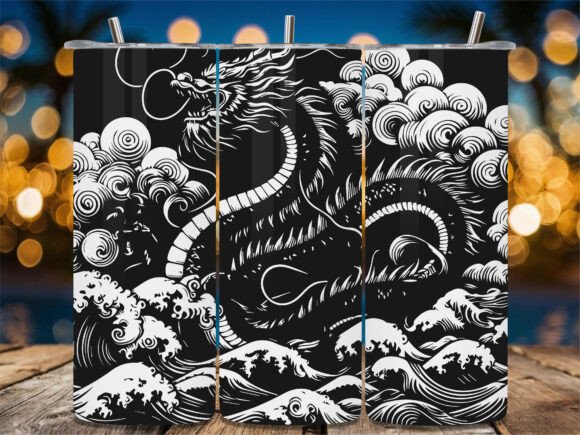
When I first pulled up the Floral Dragon Japanese Art file on my screen, I didn't just see a graphic; I saw a potential flagship product for a small shop. As someone who spends hours digitizing and reviewing designs for real-world application, my immediate reaction was to look past the pretty preview and imagine the needle hitting the fabric. This isn't just another digital asset; it is a complex piece of Crafts and Graphics that demands respect from the machine operator. The mood it creates is instantly recognizable—a blend of traditional Eastern mythology with soft, organic floral elements. It feels balanced, yet busy enough to command attention on a finished product.
Visual Personality and First Impressions
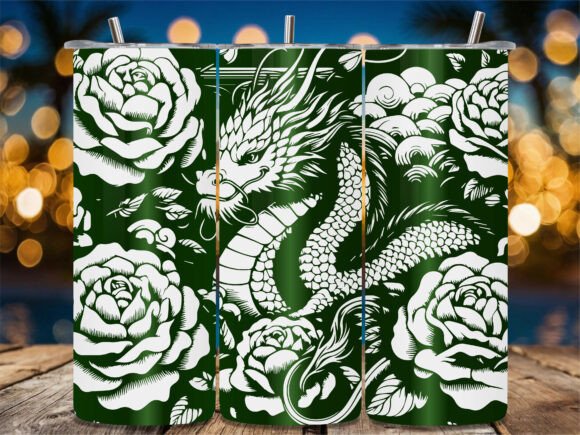
The layout of this design is where it truly shines for an experienced eye. The dragon isn't just a generic beast; it has a flow that suggests movement, winding through cherry blossoms or peonies depending on the colorway you choose. For an embroidery project, this fluidity is crucial. Static images often look stiff when stitched, but the curves here suggest they were intended for satin stitch borders and smooth fill stitch areas. The visual personality is bold but elegant, making it suitable for high-end custom apparel rather than cheap promotional giveaways. If you are an Etsy seller looking to elevate your brand, this design has the "boutique" feel that customers are willing to pay a premium for.
Real-World Application: The Tote Bag Scenario
Let's walk through a realistic scenario. Imagine a customer orders a personalized tote bag design for a book club or a local market vendor. You decide to use Floral Dragon Japanese Art as the centerpiece. On a canvas tote, the texture of the fabric interacts beautifully with the density of the embroidery. The dragon's scales, if digitized with varying stitch angles, will catch the light, while the floral petals provide a softer contrast.
In this context, the design performs exceptionally well as a handmade product statement piece. It transforms a simple bag into a work of art. However, you must consider the scale. A full-wrap concept mentioned in the original description suggests a large coverage area. For a tote, this means you need a large hoop and a very stable setup. The result? A customer who doesn't just buy a bag; they buy a conversation starter. The perceived value skyrockets because the intricacy of the dragon implies hours of skilled labor, even if your machine does the heavy lifting.
Apparel and Wearable Challenges
Moving from bags to clothing, the stakes change. Using this for sweatshirt embroidery is a natural fit. The thickness of fleece or French terry can support the weight of a detailed dragon without puckering, provided you use the right stabilizer. However, caution is needed. If you attempt this on a thin t-shirt or stretchy jersey, the stitch density might cause the fabric to warp. The dragon's tail or the delicate flower petals could pull the knit fabric out of shape after a few washes.
For baby embroidery, I would advise extreme caution. While the theme is whimsical, the detail level might be too harsh or scratchy for sensitive skin unless the back is meticulously covered or the design is simplified. A better route for little ones might be scaling it down for a pocket accent rather than a full chest piece. Conversely, for a holiday embroidery gift for an adult, like a denim jacket or a heavy apron, this design is perfect. It stands up to the rugged texture of denim and adds a layer of artistic flair that mass-produced prints cannot match.
Technical Considerations for the Maker
Before you commit to stitching this on a client's garment, there are technical hurdles to clear. Since the source material describes this initially as a laser file for tumblers, adapting it for thread requires a keen eye for detail. Laser engraving relies on contrast and line weight, whereas embroidery relies on thread direction and coverage.
- Stitch Density: Check if the dark areas of the dragon are too dense. Over-saturated fills can lead to thread breaks and bird-nesting.
- Small Details: Inspect the claws and flower centers. If these are too tiny, they may not stitch out clearly and could look like blobs of thread.
- Thread Colors: This design likely relies on specific color transitions to define the dragon's form. Test your thread colors against both light and dark fabric backgrounds. A navy dragon on a black sweatshirt will vanish; you might need to adjust the palette for contrast.
- Hoop Size: Confirm the dimensions. If this is indeed a full-wrap style graphic, ensure your machine's hoop capacity can handle it without excessive re-hooping, which risks alignment errors.
Fabric Texture and Surface Compatibility
The success of Floral Dragon Japanese Art heavily depends on the fabric texture. Smooth fabrics like broadcloth or polished cotton will show off the fine details of the running stitch outlines and sharp corners. Textured fabrics like linen or waffle weave can add character but might obscure the finer points of the floral elements. Avoid using this on highly textured loops like terry cloth unless you are using an appliqué technique to flatten the base. Speaking of which, if the file allows, converting parts of this into an applique design could reduce stitch count and add a lovely dimensional quality, especially for larger wall hangings or pillow covers.
Business Value and Brand Consistency
For craft business owners, consistency is key. Using a distinct design like this across multiple products—tote bags, patches, and limited edition tees—creates a cohesive collection. It builds brand recognition. When a customer sees that specific dragon, they should think of your shop. This kind of visual branding is invaluable for digital embroidery file sellers too. If you are selling the stitched finished product, high-quality mockups are essential. Create printable mockup images that show the design on various garments to help customers visualize the end result.
However, remember that trust is built on quality. If the stitching looks messy due to poor tension or incorrect stabilizer choice, it reflects poorly on your brand. The intricate nature of this dragon leaves little room for error. A jagged edge on a scale or a gap in a petal is immediately noticeable. Therefore, testing on scrap fabric is not optional; it is mandatory. Check how the design handles under the needle before touching the final garment.
Final Verdict for Designers
Floral Dragon Japanese Art is a powerful tool in the hands of a skilled maker. It bridges the gap between traditional art and modern commercial embroidery. It is versatile enough for a personalized gift yet sophisticated enough for a boutique lineup. Whether you are creating an embroidered patch for a jacket lapel or a large statement piece for a home decor item, the potential is immense.
Just remember to respect the medium. What works for a laser engraver on a steel tumbler might need adjustment for a needle on cotton. Verify your licensing terms if you plan to sell items made with this design, as rules vary between personal use and commercial rights. With the right preparation, fabric choice, and attention to detail, this design can be the star of your next collection, delivering a finished product that feels as magical as the myth it depicts.