Lighthouse Dominoes Flag: A Designer's Stitch Review
As a designer who spends more time staring at stitch simulations than most people care to admit, I approach every new machine embroidery design with a mix of curiosity and skepticism. We've all been there: you download a file that looks stunning on the screen, only to find it turns into a puckered mess or a thread-snagging nightmare once it hits the fabric. Today, I'm taking a close look at the Lighthouse Dominoes Flag. While the product description initially markets this as an engraving laser wrap for Stanley-style tumblers within the Crafts and Graphics categories, my job is to translate that visual concept into the tangible reality of thread and needle. Can this nautical-meets-game-night motif actually work as a high-quality embroidery asset for small shop products and custom apparel?
First Impressions: Mood and Visual Personality
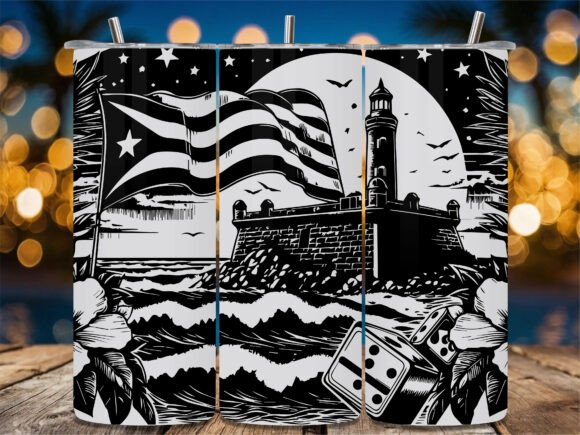
The moment I pulled up the preview for Lighthouse Dominoes Flag, the vibe was immediately clear. It blends the rugged, coastal reliability of a lighthouse with the playful, strategic geometry of dominoes, all wrapped in a flag-like composition. This isn't just a random clipart mashup; it feels like a deliberate theme perfect for a "game night by the sea" aesthetic. The layout suggests a strong central focal point, likely the lighthouse beam cutting through the domino patterns, which creates excellent visual movement.
For an embroidery project, this kind of thematic depth is gold. It moves beyond generic "summer" designs into something specific enough to build a brand around. Whether you are an Etsy seller looking to differentiate your boutique branding or a hobbyist making a personalized gift, the mood here is inviting yet structured. The potential for color play is significant—think deep navy blues, crisp whites, and perhaps a warm amber for the light beam against the stark black and white of the domino tiles.
Real-World Application: From Screen to Stitch
To truly test the viability of this design, I imagined a specific real-life scenario: creating a limited run of heavy canvas tote bags for a local beachside board game café. The goal was to produce a durable, washable handmade product that customers would actually use. In this context, Lighthouse Dominoes Flag shines as a potential tote bag design. The bold shapes inherent in both lighthouses and dominoes generally translate well to thread, avoiding the frustration of losing tiny details in low-resolution stitching.
If executed correctly, this design would also make a fantastic sweatshirt embroidery piece. Imagine a navy crewneck with the design centered on the chest. The contrast between the geometric dominoes and the organic feel of the lighthouse structure offers a nice textural balance when using a combination of satin stitch for outlines and fill stitch for the larger blocks. For those running a craft business, this versatility means you aren't locked into one product type. You could easily adapt it for aprons, pillow covers, or even a structured embroidered patch to sell as an add-on item.
However, we must address the source material. Since the original asset is described as a laser engraving file, the lines are likely optimized for burning, not stitching. This means you, as the digitizer or the buyer of the digitized version, need to be hyper-aware of how those sharp laser lines convert to thread paths. A laser can handle infinite detail; an embroidery machine cannot. If the domino dots are too small, they will vanish. If the lighthouse windows are too intricate, they will cause bird-nesting.
Navigating Technical Challenges and Fabric Choices
Here is where practical judgment comes into play. While Lighthouse Dominoes Flag has great potential, it demands respect regarding fabric choice and hoop placement. If you are attempting this on a textured fabric like a waffle knit or a rough linen, the fine details of the domino pips might get lost. I would strongly advise testing this on a smooth, tightly woven cotton or a stable polyester blend first.
There are specific scenarios where you need to proceed with caution. If you plan to use this on stretchy fabrics like jersey knits for baby embroidery projects, the density of the fill stitches could cause the fabric to pucker or distort over time. Similarly, if you are eyeing this for a curved surface like a cap, ensure the design fits within the constraints of a standard cap frame without compromising the structural integrity of the lighthouse beam. Small hoop sizes might require scaling down the design, which risks turning those crucial domino dots into indistinguishable blobs.
Furthermore, consider the stitch density. Laser files often rely on solid fills that look great when burned but can become stiff and cardboard-like when embroidered with dense satin or fill stitches. Before committing to a client order, check if the design allows for reduced density or if it utilizes running stitch effectively for lighter areas. Always use a proper stabilizer; for a design with this much graphical weight, a cut-away stabilizer is probably safer than tear-away, especially for items that will see frequent washing like kitchen towels or active wear.
Commercial Viability and Brand Consistency
For commercial embroidery professionals and digital product sellers, the value of Lighthouse Dominoes Flag lies in its uniqueness. It's not another monogram or generic floral swirl. It tells a story. When a customer sees this on a finished product, it signals thoughtfulness and niche appeal. This boosts customer trust and perceived value. A well-stitched version of this design on a high-quality blank can justify a higher price point because it looks like a custom design asset rather than a mass-produced decal.
Visual appeal is everything in the handmade market. The clarity of the stitching determines whether your finished product looks professional or amateur. If the thread colors bleed into each other due to poor spacing, or if the satin columns gap on dark fabric, the illusion breaks. I recommend creating black and white mockups before selecting your thread colors to ensure the contrast holds up. Does the lighthouse stand out against the domino background? Is the flag border distinct? These are the questions that determine if a design sells.
Essential Notes for the Smart Designer
Before you load this into your machine or list it in your shop, here is my checklist for ensuring success with Lighthouse Dominoes Flag:
- Test on Scrap First: Never skip this step. Stitch the design on the exact fabric you intend to use for the final product to check for puckering or registration issues.
- Verify Licensing: Since the source is a laser graphic, confirm the license terms. Are you allowed to digitize it for embroidery? Can you sell the physical embroidered items? Do not assume the rights transfer automatically.
- Check Detail Levels: Inspect the smallest elements, like the dots on the dominoes. If they are smaller than 3mm, they may need to be simplified or enlarged for embroidery.
- Contrast is Key: Ensure your thread choices provide enough contrast between the lighthouse, the flag background, and the domino tiles. Low contrast kills detail.
- Stabilizer Strategy: Match your stabilizer to the fabric weight. Heavy designs on light fabric require robust support.
- Mockup Verification: Use printable mockups to visualize the design on different garment colors before purchasing materials.
In conclusion, Lighthouse Dominoes Flag offers a compelling blend of themes that, when handled with technical precision, can elevate a standard embroidery project into a standout piece. It requires a designer's eye to bridge the gap between laser graphics and textile art, but for those willing to put in the prep work, the result is a versatile, engaging design ready for the marketplace.