Bearded Cowboy Rose Horse: A Designer's Review
As a designer who spends more time staring at stitch maps than most people spend on their phones, I approach every new machine embroidery design with a healthy dose of skepticism. We've all been there: you buy a file based on a shiny thumbnail, only to find out the satin columns are too wide for the fabric or the density is so high it turns your hoop into a cardboard puck. So, when I pulled up the Bearded Cowboy Rose Horse, I wasn't just looking for cute aesthetics; I was looking for structural integrity and commercial viability.
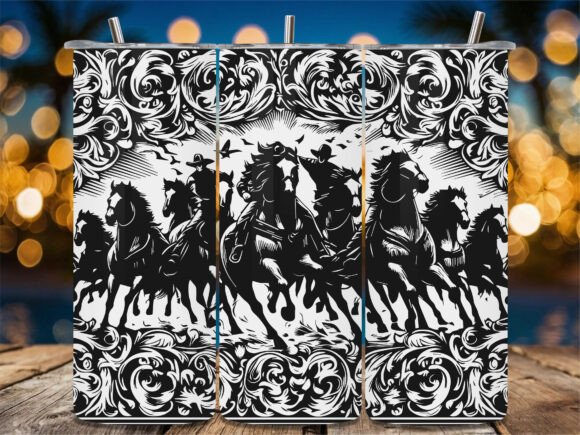
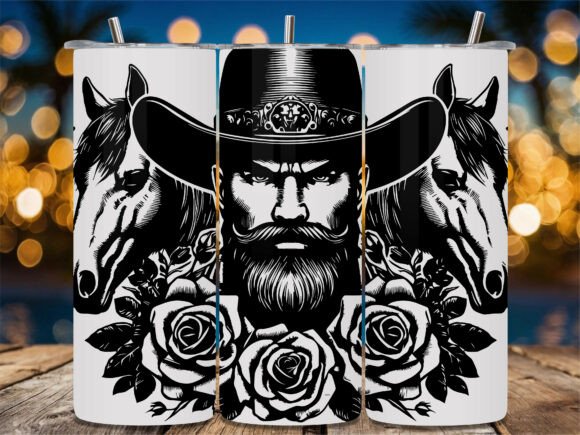
This isn't just another western-themed graphic. It sits at an interesting intersection of rugged masculinity and delicate floral elements, a combination that can easily go wrong if the execution isn't precise. The concept—a bearded cowboy figure intertwined with a rose and a horse—suggests a narrative depth that appeals to a specific, loyal demographic. For Etsy sellers and boutique owners, this kind of thematic richness is gold, provided the actual stitching holds up under scrutiny.
First Impressions: Mood and Visual Personality
The first thing that strikes me about the Bearded Cowboy Rose Horse is its balance. Western designs often lean heavily into blocky, aggressive lines, while floral motifs tend toward softness. Merging these requires a deft hand in digitizing. From a visual standpoint, the layout feels intentional. The rose doesn't just sit on top; it seems to interact with the silhouette of the horse and the texture of the cowboy's beard. This creates a mood that is both nostalgic and refined.
For a craft business owner, mood translates directly to sales. This design feels at home on products that tell a story. It's not necessarily the right fit for a high-energy sports team jersey, but it is perfect for a lifestyle brand targeting rural aesthetics, country music fans, or anyone who appreciates the "modern rustic" look. The visual personality suggests durability and tradition, which are key selling points for handmade products.
Real-World Application: The Tote Bag Test
To truly evaluate this embroidery file, I imagined a specific real-life scenario: creating a limited run of canvas tote bags for a local farmer's market or a country-themed wedding favor. Canvas is a forgiving fabric, but it has a distinct weave that can swallow fine details if the stitch count isn't adequate.
In this context, the Bearded Cowboy Rose Horse shines as a centerpiece. Placed centrally on a natural or dark olive tote, the design offers enough contrast to pop without looking garish. The potential for using a satin stitch on the rose petals against a fill stitch background for the horse creates a lovely textural interplay. Customers touching the finished product would feel the dimensionality, which immediately elevates the perceived value of the item from a simple bag to a piece of art.
Beyond tote bags, I can see this working exceptionally well on sweatshirt embroidery. The thicker fabric of a fleece crewneck can support the density required for the beard details and the horse's mane. Imagine a custom order for a ranch family reunion or a personalized gift for a father who loves horses. The design's complexity suggests effort and care, two things buyers look for in personalized gifts.
Technical Considerations and Fabric Challenges
However, no design is universal, and here is where my professional caution kicks in. While the Bearded Cowboy Rose Horse looks robust, there are areas that demand careful handling. The "beard" element likely involves fine detailing. If you attempt this on a highly textured fabric like a looped terry towel or a very loose-knit sweater, those fine lines could get lost or cause bird-nesting.
Furthermore, consider the hoop size. Designs with horizontal spread, like a horse profile combined with floral elements, often require a larger hoop. If you are trying to squeeze this onto a cap, you need to verify the dimensions immediately. Caps are curved, and large, dense designs can cause puckering or shift the center of gravity, making the hat sit awkwardly. For caps and hats, I would recommend checking if a simplified version exists or if the digitizer has optimized the underlay specifically for curved surfaces.
Another critical factor is stitch density. If the rose and the horse overlap significantly, the cumulative layers of thread can become stiff. On a baby embroidery project, such as a onesie or a nursery blanket, stiffness is the enemy. Babies have sensitive skin, and a scratchy, board-like patch of embroidery is a dealbreaker for parents. If you plan to use this for infant items, you must test it on scrap fabric first to ensure the backside is clean and the front remains pliable. Using a high-quality cut-away stabilizer is non-negotiable here to prevent distortion after washing.
Commercial Viability and Brand Consistency
For the small shop product creator, consistency is key. If you are building a brand around western wear, the Bearded Cowboy Rose Horse can serve as a signature asset. Its unique combination of elements makes it harder for competitors to replicate exactly, giving your finished product a distinct identity. Whether you are selling embroidered patches to iron on jackets or offering custom apparel decorators services, this design adds a layer of sophistication that generic clipart lacks.
When creating printable mockups for your online store, this design photographs well because of its inherent contrast. The interplay between the organic shape of the rose and the structured form of the horse creates visual interest that stops the scroll on social media feeds. This engagement translates to higher click-through rates and, ultimately, more sales for digital embroidery file sellers or those selling physical goods.
Practical Notes for the Studio
Before you commit to a production run, here is my checklist for integrating this design into your workflow:
- Test on Scrap: Always stitch a sample on the exact fabric you intend to sell. What looks good on cotton might fail on polyester blends.
- Thread Contrast: Experiment with thread colors. While traditional browns and greens work, consider monochromatic schemes (e.g., black on black) for a subtle, premium look, or high-contrast neons for a modern twist.
- Density Check: Inspect the rose petals closely. If they are too dense, reduce the fill percentage slightly to save thread and reduce bulk.
- Licensing Verification: Since the original description mentions laser engraving files for tumblers, ensure you have the correct license for commercial embroidery. Just because a file exists in one format doesn't automatically grant rights for another medium.
- Wash Testing: Run your sample through three wash cycles. Check for thread breakage, color bleeding, or fabric puckering. This step builds customer trust and protects your reputation.
In the world of Crafts and Graphics, finding a design that balances artistic flair with technical practicality is rare. The Bearded Cowboy Rose Horse offers a compelling option for designers willing to do their homework. It is not a "load-and-go" solution for every situation, but with the right fabric, stabilizer, and thread choices, it has the potential to become a bestseller in your catalog. It respects the heritage of the subject matter while offering enough detail to satisfy the discerning eye of a modern buyer.
Ultimately, the success of this embroidery project depends on your execution. Treat it with the respect a complex digitization deserves, and it will reward you with a finished product that stands out in a crowded marketplace. Whether you are decorating a kitchen towel for a holiday gift or launching a new line of custom apparel, this design provides a solid foundation for creativity and commerce.