Blue Rose Sugar Skull: A Designer's Take on Stitching This Bold Motif
As someone who spends more time staring at stitch maps than most people spend looking at their phones, I approach every new machine embroidery design with a mix of excitement and skepticism. We've all been there: you buy a stunning digital embroidery file, load it up, and halfway through the run, you realize the density is going to turn your fabric into cardboard or the tiny details are going to vanish into a puckered mess. So, when I first laid eyes on the Blue Rose Sugar Skull, I didn't just see a pretty picture; I saw a potential challenge and an opportunity for a standout handmade product.
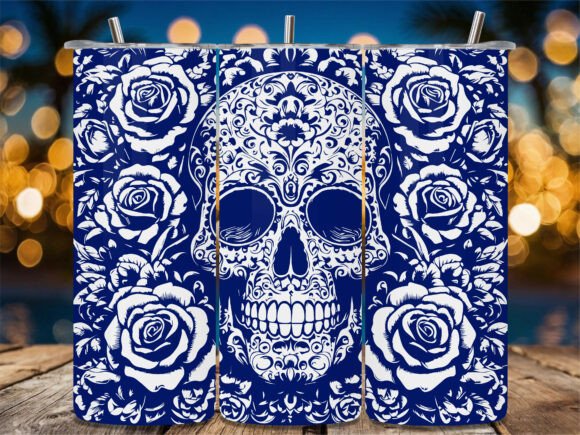
The initial impression of this design is striking. The fusion of the traditional sugar skull aesthetic with the delicate, somewhat gothic vibe of a blue rose creates a mood that is both celebratory and moody. It's not your standard Day of the Dead motif; the addition of the floral element softens the edges while maintaining that bold, graphic personality. For designers and Etsy sellers looking to break away from generic offerings, this kind of visual storytelling is gold. However, the real question isn't how it looks on a screen—it's how it translates into thread.
Visual Impact and Real-World Application
In terms of layout, the Blue Rose Sugar Skull feels balanced. The symmetry inherent in skull designs usually works in our favor for embroidery, as it helps maintain stability during high-speed stitching. I can immediately envision this working beautifully as a central chest piece on a black hoodie or as a large back print on a denim jacket. The contrast potential here is immense. If you are using a light thread colors palette against a dark garment, the white and silver tones of the skull combined with the vibrant blues of the rose would pop incredibly well.
I recently simulated a project in my head (and on a scrap piece of heavyweight cotton) where this design was used for a limited-run tote bag design for a local boutique. The result was promising. The design carries enough weight to stand alone without needing excessive surrounding text or cluttered backgrounds. For a small shop product, this is crucial. Customers want clarity. They want to know what they are buying at a glance. The Blue Rose Sugar Skull delivers that instant recognition. It speaks to a demographic that appreciates alternative fashion, artistic expression, and unique personalized gifts.
However, we need to talk about the "Graphics" aspect mentioned in its categorization. Sometimes, designs labeled as graphics are vector-based illustrations that haven't been fully optimized for the physical constraints of thread. While this design appears robust, the transition from a laser engraving concept (as hinted in some product descriptions) to embroidery requires a keen eye for stitch density. Engraving relies on removal of material; embroidery relies on addition. If the original artwork was intended for laser tumblers, the fine lines might be too tight for a standard fill stitch or satin stitch execution on fabric.
Navigating Fabric Choices and Technical Constraints
This is where the experienced designer in me hits the brakes and advises caution. Not every fabric is a friend to complex designs like the Blue Rose Sugar Skull. If you are planning to stitch this onto a stretchy jersey knit for a baby embroidery project, think twice. The density required to fill in the skull details and the petals of the rose could cause significant puckering if the stabilizer isn't up to the task. For stretchy fabrics, I always recommend a cut-away stabilizer rather than tear-away, and perhaps even topping the design with a water-soluble film to prevent the stitches from sinking into the nap of the fabric.
Similarly, consider the hoop size. Detailed corners and small elements within the eye sockets or the rose petals need room to breathe. If you are forced to resize the design to fit a small 4x4 hoop for a cap or a pocket, you risk losing the definition of those intricate areas. The running stitch outlines might merge, turning a detailed eye into a solid black blob. Always test your resized version on a scrap piece of the actual fabric you intend to use. Do not skip this step. Your reputation as a creator depends on the quality of the finished product.
Textured fabrics present another hurdle. Towels, waffle weaves, or heavy canvases can distort the smooth gradients often found in skull shading. For a kitchen towel or an apron, you might need to adjust the underlay settings or simplify the color blends to ensure the design reads clearly. The goal is to enhance the item, not overwhelm it.
Commercial Viability and Brand Consistency
For those running a craft business, consistency is key. If you sell custom apparel, your customers expect the same level of quality on every order. The Blue Rose Sugar Skull has the potential to become a signature item for your brand, but only if you master the production process. Imagine offering this as part of a "Dia de los Muertos" collection or a "Gothic Garden" series. The thematic flexibility allows it to fit into holiday embroidery projects in October, but also into year-round alternative fashion lines.
When listing this on platforms like Etsy, your printable mockup needs to reflect reality. Don't oversell the brightness if the thread colors you have access to are muted. Honesty builds customer trust. Show the design on different backgrounds—light, dark, and colored—to give buyers a realistic expectation of how the embroidery project will look on their chosen garment. This transparency reduces returns and increases buyer engagement.
Furthermore, consider the licensing. Since the product description mentions "laser projects" and "graphics," it is vital to confirm whether this specific file is licensed for commercial embroidery use. Just because you can buy a file doesn't always mean you can sell the stitched output. Always read the terms of service attached to the design assets you purchase. If the license is unclear, reach out to the creator before investing time and materials into a batch of fifty sweatshirts.
Final Thoughts on Execution
Ultimately, the Blue Rose Sugar Skull is a compelling choice for designers willing to put in the prep work. It offers a unique blend of edgy and elegant that stands out in a crowded market of Crafts and handmade goods. Whether you are creating an embroidered patch for a jacket lapel, decorating a pillow cover for home decor, or launching a new line of sweatshirt embroidery, this design has the visual horsepower to carry the load.
My advice? Treat it with respect. Test your tension. Choose your stabilizer wisely. And never underestimate the power of a good thread chart. When executed correctly, this design doesn't just sit on the fabric; it elevates the entire piece, turning a simple garment into a conversation starter. That is the mark of a truly great machine embroidery design. Happy stitching!