Review: Lily of the Valley Floral Design for Embroidery
As a designer who spends more time staring at stitch maps than most people spend watching television, I approach every new machine embroidery design with a mix of excitement and skepticism. We've all been there: you buy a beautiful graphic, load it up, and realize halfway through the run that the density is going to turn your fabric into cardboard or the details are too fine for the thread you're using. That is why I took a close look at the Lily of the Valley Floral Design. While the product listing categorizes this under Tumbler Wraps and Graphics, my job is to translate those digital assets into tangible, stitched reality for clients and small shop products.
The Aesthetic: Delicate Bells and Timeless Mood
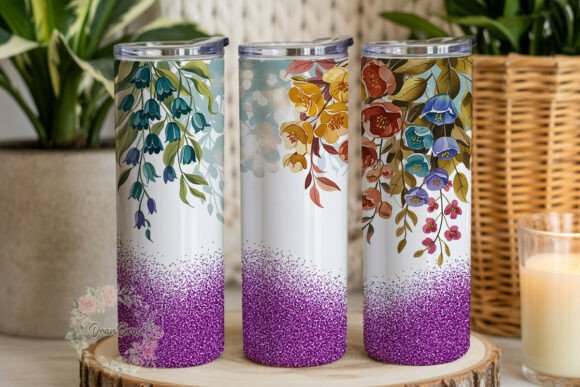
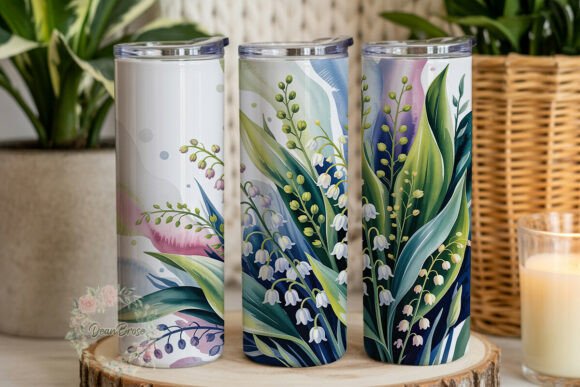
The first thing that strikes me about the Lily of the Valley Floral Design is its inherent gentleness. There is a specific mood this flower evokes—it's nostalgic, pure, and slightly vintage. Visually, the layout features those iconic drooping bell shapes clustered along arching stems. In a digital format, specifically the high-resolution PNG files provided (9.3″ x 8.2″ at 300 DPI), the lines look crisp. However, as an embroiderer, I immediately start mentally converting those smooth vector-like lines into satin stitch columns and fill stitch areas.
This isn't a bold, blocky logo. It is an intricate botanical illustration. The visual personality suggests elegance rather than sportiness. When I imagine this as a finished product, I don't see it on a heavy-duty workwear jacket. Instead, I see it thriving on softer surfaces where the delicacy of the flowers can be appreciated without competing against a rough fabric texture. It feels like a design that belongs in a boutique setting, perhaps for a spring collection or a line of personalized gifts for mothers and bridesmaids.
Real-World Application: From Digital File to Stitched Goods
Let's talk about a real scenario. Imagine a client comes to your craft business asking for a custom tote bag for a garden club event or a bridal shower favor. They want something that feels handmade but professional. This is where the Lily of the Valley Floral Design shines. Because the source files are high-quality graphics intended for tumbler wraps, you have a massive advantage: clarity. You aren't working with a pixelated mess. You can trace this image into your embroidery software to create a custom embroidery file that respects the original art's flow.
For sweatshirt embroidery, this design would look stunning on the chest pocket of a cream or sage green hoodie. The organic curves of the lilies contrast beautifully with the structured seams of apparel. If you are an Etsy seller looking to expand beyond digital downloads, using this graphic as the basis for an applique design could be a game-changer. You could cut the floral shapes from linen or cotton lawn and secure them with a neat satin border. This technique reduces the amount of thread buildup, which is crucial when working with detailed florals on thinner materials.
I also see strong potential for baby embroidery. The softness of the lily of the valley theme fits perfectly with nursery decor or a delicate baby blanket. However, this requires careful handling. The "bells" of the flowers are small. If you digitize this directly for a small hoop without adjusting the scale, those tiny details might get lost or become prone to bird-nesting. For holiday embroidery or wedding gifts, scaling the design up for a pillow cover or a table runner allows the stitch definition to breathe, giving the handmade product a high-end, heirloom quality.
Navigating Technical Challenges and Fabric Choices
Here is the part of the review where I need to be brutally honest. Just because a graphic looks good on a screen doesn't mean it stitches out perfectly on every surface. The Lily of the Valley Floral Design has intricate corners and varying line weights. If you are planning to stitch this on a cap or a curved surface, you need to be very careful. Curved surfaces distort designs, and the fine stems of the lilies could warp if the hooping tension isn't perfect.
Fabric texture plays a huge role here. On a fluffy towel or a textured knit, fine running stitch details might sink in and disappear. For these materials, I recommend increasing the stitch density slightly or opting for a fill technique that covers more ground. Conversely, on slippery fabrics like performance tees or silk blends, you must use the right stabilizer. A tear-away might not be enough; a cut-away stabilizer would provide the lasting support needed to keep those delicate flower bells from puckering after the first wash.
Another consideration is thread colors. The beauty of lily of the valley lies in its subtlety—whites, creams, and soft greens. When stitching white-on-white or cream-on-beige, you lose the safety net of contrast. Every missed stitch or tension issue becomes visible. I strongly advise testing this design on scrap fabric first. Check how the light hits the satin stitch directions. Sometimes, changing the angle of the stitches by just a few degrees can make the petals pop against the background.
Commercial Viability and Brand Consistency
For commercial embroidery projects, consistency is king. If you are selling custom apparel or embroidered patches featuring this design, your customers expect the tenth item to look exactly like the first. Since the source material is a high-res PNG meant for printing on tumblers, you have the freedom to manipulate the size without losing quality before digitizing. This allows you to create multiple versions: one dense version for sturdy canvas tote bag designs and a lighter, airier version for delicate scarves.
Using a cohesive graphic like the Lily of the Valley Floral Design helps build brand recognition. If your small shop specializes in botanical themes, this asset becomes a cornerstone of your visual identity. It adds value to your printable mockup portfolios and gives potential buyers a clear idea of the aesthetic they are purchasing. However, always double-check the licensing terms. While the product description notes the files are watermark-free, ensure that converting a graphic intended for printing into a stitched design for resale aligns with the creator's license, especially if you plan to sell the digital embroidery file itself.
Final Verdict for the Practical Maker
In conclusion, the Lily of the Valley Floral Design is a versatile and evocative asset, but it demands respect from the embroiderer. It is not a "load-and-go" solution for every machine; it requires thoughtful digitizing, appropriate fabric selection, and a keen eye for detail. It excels in creating emotional connections through personalized gifts and boutique merchandise. Whether you are making a wedding gift, a piece of nursery art, or a standout item for your online store, this design offers a classic charm that rarely goes out of style.
My advice? Don't rush the setup. Test your hoop size constraints. Play with contrasting thread colors to see if a subtle grey outline makes the white flowers stand out more on dark fabric. Treat the graphic as a foundation, not the final blueprint. By applying your expertise in stitch density and material science, you can transform this lovely graphic into a stitched masterpiece that customers will cherish for years. That is the difference between just using a file and truly designing a product.