Review: Modern Native American Pattern for Embroidery
As a designer who spends more time at the hoop than away from it, I approach new design assets with a healthy dose of skepticism. We have all downloaded a file that looked stunning on a screen but turned into a bird's nest of thread once the machine started humming. That is why I took a close look at the Modern Native American Pattern before committing it to any client work or personal handmade product lines. This isn't just about whether the image is pretty; it is about whether this Graphics file can withstand the rigors of actual stitching and deliver a professional finished product.
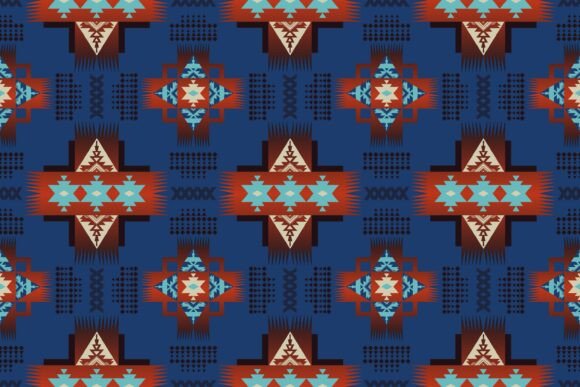
The first thing that strikes you about this pattern is its mood. It balances traditional tribal geometry with a contemporary, clean aesthetic. Unlike some vintage files that rely on overly dense fill stitches which can pucker lightweight fabrics, this design feels airy yet structured. The layout suggests a seamless flow, making it an ideal candidate for border work or all-over prints on larger items. Visually, it carries a sense of grounded elegance, perfect for projects that need to feel both rustic and refined.
Real-World Application: The Boutique Tote Bag Test
To truly evaluate this machine embroidery design, I imagined a specific real-life scenario: a custom order for a local boutique needing a run of branded tote bags. These aren't cheap promotional giveaways; they are canvas shoppers meant for daily use. The client wanted something that screamed "artisan" without looking cluttered.
Using the Modern Native American Pattern here makes immediate sense. The geometric lines translate beautifully into satin stitch or a well-balanced fill stitch, depending on how you digitize the SVG for your specific machine. On a natural cotton canvas, the contrast of the thread against the fabric texture creates a tactile appeal that sublimation simply cannot match. If you are an Etsy seller or run a small shop product line, this kind of visual depth increases perceived value. Customers are willing to pay more for an item that clearly required skill and time to produce.
Beyond tote bags, this pattern shines in home decor. Imagine it running along the hem of a pillow cover or as a central motif on a kitchen tea towel. The seamless nature of the pattern allows you to extend the design across wide hoops, creating a continuous band of decoration that looks high-end. For holiday embroidery gifts, such as embroidered aprons for a hostess or personalized placemats, this design offers a neutral yet striking theme that fits almost any interior style.
Navigating Fabric Challenges and Stitch Density
However, no design is universal, and practical judgment is required before you hit start. While the Modern Native American Pattern is versatile, its performance depends heavily on your material choices. If you are working with stretchy fabrics like jersey for sweatshirt embroidery or baby embroidery projects, you must be vigilant. Geometric patterns with long straight lines can distort easily if the fabric shifts during stitching.
In these cases, the choice of stabilizer is non-negotiable. A cut-away stabilizer would be my recommendation for anything that will be washed frequently, ensuring the sharp corners of the tribal motifs remain crisp over time. For textured fabrics like towels or fleece, you might need to adjust the stitch density. If the original SVG is converted into a very dense embroidery file, it could cause the pile of the towel to flatten too much, losing that plush feel. Always test on scrap fabric first. Check how the thread colors interact with the base material; a dark thread on a dark fabric might lose the intricate details of the pattern, while high-contrast combinations will make the geometry pop.
Curved surfaces present another hurdle. If you plan to use this on a cap or hat, the flat geometry of the pattern might fight against the curve of the crown. It is often better to isolate a smaller segment of the pattern for caps rather than trying to force the whole repeat onto a small, curved area. Similarly, be cautious with very small hoop sizes. If the pattern relies on fine details, shrinking it down too much could result in lost definition, turning distinct lines into a muddy blob of thread.
Commercial Viability and Brand Consistency
For those of us running a craft business, consistency is key. The Modern Native American Pattern offers a strong visual identity that can help build brand recognition. Whether you are creating custom apparel, embroidered patches, or digital mockups for your online store, having a cohesive design language helps customers remember you. This pattern works exceptionally well for boutique branding where a "modern western" or "boho-chic" vibe is desired.
When considering this for commercial use, clarity on licensing is paramount. Since this is marketed as a pattern for home decor and fashion, including blankets and cushions, it implies broad usage rights. However, as a professional, I always advise double-checking the specific license terms included with the download. Can you sell the digitized embroidery file itself, or only the physical finished product? Are there restrictions on the number of items you can produce? Never assume. Confirming these details protects your business and ensures you respect the creator's intellectual property.
Final Designer Notes for Success
Before integrating this into your workflow, here are a few practical steps to ensure success:
- Test Your Colors: Run a test stitch-out in black and white first. This removes the distraction of color and lets you see if the stitch paths and density are correct.
- Check the Hoop: Ensure your hoop size accommodates the scale of the pattern you want to use without unnecessary re-hooping, which can lead to alignment issues.
- Inspect Small Details: Look closely at the sharp corners in the tribal shapes. These are common trouble spots where threads can bunch up if the underlay isn't sufficient.
- Consider the End Use: If this is for a personalized gift that will be cherished but not washed often, you have more flexibility. If it is for a commercial embroidery run of uniforms or heavy-use bags, durability must be your priority.
- Mockup First: Use the SVG to create printable mockups or digital previews for your clients. Seeing the pattern on a virtual t-shirt or pillow can help sell the idea before you spend a single spool of thread.
In conclusion, the Modern Native American Pattern is a robust choice for designers looking to add a touch of cultural geometry to their repertoire. It bridges the gap between traditional motifs and modern taste, making it suitable for a wide array of embroidery project types. With the right preparation, fabric selection, and attention to stitch quality, it can elevate a simple item into a standout piece. Just remember, the file is only as good as the execution, so take the time to prep your machine and materials. Happy stitching!