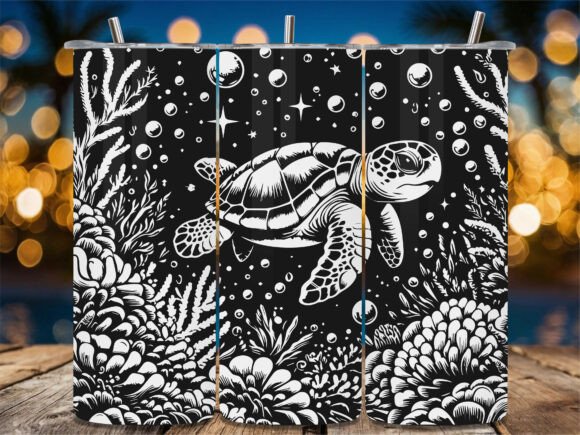
Seahorse Ocean Life: A Designer's Review for Embroidery
As a designer who spends more time staring at stitch simulations than I do sleeping, I approach every new embroidery file with a healthy dose of skepticism. We have all been there: you buy a beautiful graphic, load it onto your machine, and halfway through the run, you realize the density is going to turn your fabric into cardboard or the tiny details are going to vanish into a thread jungle. That is why I took a close look at Seahorse Ocean Life before committing it to a client project. While the product description highlights its use for laser engraving on tumblers, my job is to translate that visual potential into thread. Does this design hold up under the needle? Let's dive in.
First Impressions: Mood and Visual Personality
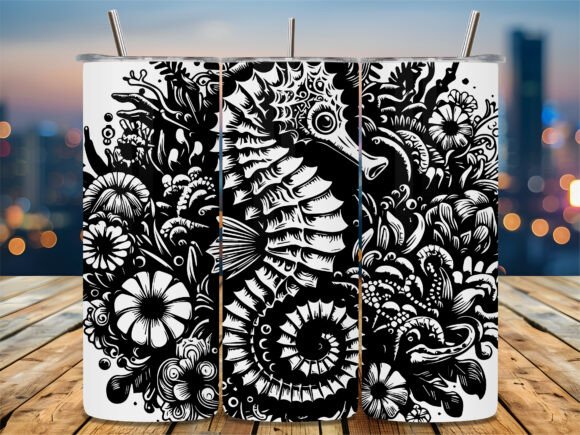
The first thing that strikes me about Seahorse Ocean Life is its fluidity. In the world of Crafts and Graphics, ocean themes can often feel either too cartoonish or overly complex. This design strikes a nice balance. It carries a whimsical yet sophisticated mood, perfect for the current trend of coastal grandma aesthetics mixed with modern boutique styles. The layout suggests a vertical flow, which is excellent for placement on sleeves, tote bag straps, or the side of a sweatshirt.
Visually, the personality of the piece feels organic. For an embroidery project, this is crucial. If the lines are too rigid, they fight against the natural drape of the fabric. From what I can see in the preview, the curves of the seahorse tail and the surrounding elements seem designed to move with the material rather than stiffen it. This makes it a strong candidate for custom apparel where comfort is just as important as the look.
Real-World Application: The Tote Bag Test
To truly evaluate this design, I imagined a specific real-life scenario: a custom order for a local beachside boutique needing a run of twenty canvas tote bag design units. These bags needed to be durable, washable, and visually striking enough to justify a higher price point.
Seahorse Ocean Life fits this brief exceptionally well. On a natural cotton canvas, the design would likely shine using a combination of satin stitch for the outlines and a textured fill stitch for the body of the seahorse. The contrast between the smooth satin and the filled areas adds depth, making the finished product look high-end rather than mass-produced. For an Etsy seller or small shop product creator, this level of detail signals quality. Customers are willing to pay more for items that look like they required skill to produce, and this design provides that perception of value.
I also considered this for baby embroidery. A onesie or a nursery blanket featuring this motif would be adorable. However, this is where we need to be careful. Babies have sensitive skin, and bulky stitching is a no-go. If you plan to use Seahorse Ocean Life for infant wear, you must verify the stitch density. If the original file is optimized for laser engraving, it might be too dense for soft knits. You may need to reduce the density or switch to a lighter running stitch outline to keep it soft.
Navigating Fabric Challenges and Hoop Constraints
One of the biggest hurdles in commercial embroidery is adapting a single design to various materials. While Seahorse Ocean Life looks fantastic on stable fabrics like denim, twill, or canvas, it requires caution elsewhere.
- Stretchy Fabrics: If you are applying this to a jersey t-shirt or a stretchy sweatshirt, the horizontal span of the seahorse could cause puckering. Using a high-quality cut-away stabilizer is non-negotiable here.
- Dark Fabrics: Ocean themes often rely on blues and teals. On a navy or black garment, these colors might get lost. You would need to adjust the thread colors to include brighter accents or perhaps a metallic thread to make the design pop against the dark background.
- Curved Surfaces: While the product mentions tumblers, embroiderers often tackle caps. The curved front of a baseball cap is tricky. If the design is too wide, it will distort around the curve. Check the hoop size requirements carefully. If the design exceeds a standard cap frame, you might need to scale it down, which risks losing the finer details of the tail or facial features.
- Textured Fabrics: Towels and waffle weaves are popular for kitchen gifts. The loops of a towel can swallow small details. Ensure the smallest elements in Seahorse Ocean Life are large enough to bridge the gaps in the fabric texture without sinking in.
Enhancing Brand Value and Customer Trust
Why does the choice of design matter so much for a craft business? Because consistency builds trust. When a customer buys a personalized gift from you, they are buying your eye for detail. A poorly digitized or ill-suited design can ruin a brand's reputation faster than a late shipment.
Seahorse Ocean Life has the potential to become a signature asset for your brand. Imagine using it across a cohesive collection: embroidered patches for jackets, tea towels for holiday gifts, and even as a printed element on packaging. When customers see the same high-quality motif repeated across different handmade product lines, it creates a professional brand identity. It tells the buyer that you care about the aesthetics of your design assets.
Furthermore, for those selling digital embroidery file versions of their work, offering a well-tested, reliable design like this can boost your reviews. Buyers want files that "just work." If you have tested this design on multiple fabrics and confirmed its reliability, mentioning that in your listing description adds immense value and reduces refund requests.
Practical Notes for the Professional Embroiderer
Before you hoop up and start stitching a batch of orders, here are my practical recommendations for working with Seahorse Ocean Life:
- Test on Scrap First: Never skip the test run. Stitch the design on the exact fabric you intend to sell. What looks good on screen might behave differently on thick fleece versus thin linen.
- Check Thread Contrast: Create a black-and-white mockup of the design. If the details disappear in grayscale, your thread color choices are too similar. Ensure there is enough contrast to define the shape clearly.
- Review Stitch Density: Since the source material mentions laser engraving, the file might be vector-based or extremely dense. Inspect the stitch count per square inch. If it feels like a solid block of thread, consider editing the file to reduce density, especially for garments that need to breathe.
- Verify Licensing: This is critical for commercial embroidery. Just because you bought the graphic doesn't always mean you can resell the stitched item or the digital file. Confirm the license terms regarding small business use and resale rights before listing items on Etsy or at craft fairs.
- Inspect Small Details: Zoom in on the corners and the tip of the tail. Are there tiny isolated stitches that might flag or break? These are the weak points in any embroidery run.
Final Verdict
Seahorse Ocean Life is a versatile and charming design that bridges the gap between digital art and tactile craftsmanship. While it originates as a graphic for laser wraps, its clean lines and thematic appeal make it a strong contender for the embroidery hoop. Whether you are creating holiday embroidery gifts, stocking your boutique with custom apparel, or making a statement embroidered patch, this design offers a solid foundation.
However, success lies in the execution. Treat it not just as a pretty picture, but as a technical challenge. Respect the fabric, choose your stabilizer wisely, and always test before you commit. With the right preparation, Seahorse Ocean Life can elevate your small shop product line and delight your customers with a touch of oceanic magic.