Tropical Lily Butterfly: A Designer's Review for Embroidery
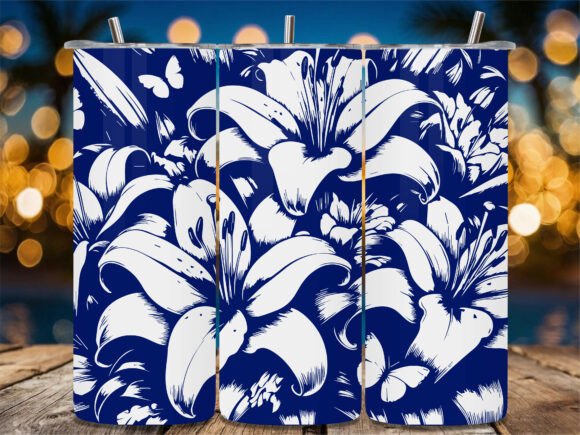
As someone who spends more time staring at stitch maps than most people spend watching television, I approach every new machine embroidery design with a mix of excitement and skepticism. We've all been there: you buy a beautiful graphic, load it onto your machine, and halfway through the run, you realize the density is too high for the fabric or the details are going to vanish into a puckered mess. That is why I took a close look at the Tropical Lily Butterfly before committing it to a client project. While the product description markets this as an engraving laser file for Stanley-style tumblers within the Crafts and Graphics categories, my job is to translate that visual potential into thread.
First Impressions: Mood and Visual Personality
The first thing that strikes me about the Tropical Lily Butterfly is its inherent sense of movement. Even in a static preview, the layout suggests a gentle breeze. The combination of the lily and the butterfly creates a classic nature theme that feels timeless rather than trendy. For a designer, this is crucial; we need assets that won't look dated six months after the finished product leaves the shop. The shape is organic, avoiding rigid geometric lines that can sometimes look harsh in embroidery. Instead, the curves of the petals and the wings invite the use of smooth satin stitch columns and soft fill stitch areas. It creates a mood of serenity and natural beauty, making it an ideal candidate for spring collections, nursery decor, or boutique apparel that aims for a softer, more feminine aesthetic.
Real-World Application: The Custom Tote Bag Scenario
To truly test the viability of this design, I imagined a specific real-life scenario: a custom order for a local botanical garden's gift shop. They needed a series of handmade product items, specifically canvas tote bags and linen aprons, to sell during their spring bloom festival. The Tropical Lily Butterfly fits this brief perfectly. On a sturdy canvas tote, the design's details would have enough room to breathe. I envisioned using a vibrant green for the lily stems and a gradient of purples or yellows for the butterfly wings to create depth.
In this context, the design acts as a focal point. Unlike busy patterns that cover an entire garment, this graphic stands alone beautifully on the center front of a bag or the lower corner of an apron. For an Etsy seller or small shop owner, this versatility is gold. You aren't limited to one product type. The same embroidery file could easily transition from a tote bag to a sweatshirt embroidery project for a cozy weekend market stall. The visual appeal here drives customer trust; a clean, well-executed nature motif signals quality craftsmanship, encouraging buyers to engage with the brand.
Navigating Fabric Textures and Stitch Density
However, enthusiasm must be tempered with technical reality. When adapting a graphic originally intended for laser engraving to thread, we must pay close attention to stitch density. Laser files rely on contrast and line weight, whereas embroidery relies on thread buildup. If the Tropical Lily Butterfly has extremely fine details in the original graphic, those might need adjustment when converted or if the provided formats are dense.
I would advise caution when placing this design on textured fabrics like heavy waffle knits or loosely woven linens. The tiny details in the butterfly's wings could get lost or cause the fabric to pucker if the stabilizer isn't up to the task. For stretchy fabrics, such as those used in baby embroidery projects like onesies, a cut-away stabilizer is non-negotiable. You want the lily to remain crisp after multiple washes, not warp into an unrecognizable blob. Similarly, on dark fabrics, you must ensure the thread colors have enough contrast. A dark blue butterfly on a black sweatshirt will disappear. Always test your color palette against the fabric background before running the full production batch.
Technical Considerations for Small Hoops and Curved Surfaces
Another critical factor is the hoop size. While this design looks expansive in a digital mockup, check the dimensions before hooping up for a cap or a pocket. Curved surfaces like baseball caps present a unique challenge. The stiffness of the cap buckram helps, but the curvature can distort wide designs. If the Tropical Lily Butterfly is too wide, the edges might pull or the registration could shift. For hats, I'd recommend checking if a scaled-down version maintains its integrity. Tiny lettering often accompanies these nature themes; if this design includes text, ensure it's large enough to be legible when stitched, as small fonts can fill in and become unreadable.
Enhancing Brand Value and Customer Engagement
From a business perspective, the choice of design directly impacts perceived value. Using a cohesive theme like the Tropical Lily Butterfly across a product line—say, matching pillow covers, tea towels, and wall hangings—creates strong brand consistency. It tells a story. Customers aren't just buying a towel; they are buying a piece of a curated lifestyle. This is especially important for commercial embroidery projects where you are building a reputation. A sloppy stitch-out damages credibility, but a sharp, vibrant execution of this design can become a signature look for your craft business.
Furthermore, this design lends itself well to printable mockup creation. Before you even thread the needle, you can place the graphic on digital templates to show clients options. This speeds up the approval process and helps visualize the final result on different custom apparel items. Whether it's a holiday gift set or a wedding favor, the professional presentation starts with the design selection.
Practical Notes for the Working Designer
Before you dive into production with Tropical Lily Butterfly, here are my top recommendations for ensuring success:
- Test on Scrap First: Never run a new design on your final garment without a test stitch-out on similar fabric. Check how the running stitch outlines behave and if the fill areas are too dense.
- Verify Licensing: Since the source material mentions laser files for tumblers, confirm the license terms for embroidery use. Ensure you are cleared for both personal projects and selling finished items commercially.
- Check File Formats: Ensure you have the correct digital embroidery file format for your specific machine (PES, DST, EXP, etc.). Do not assume a laser vector file will stitch correctly without conversion.
- Contrast Check: View the design in black and white to assess value contrast. If the butterfly and lily blend together in grayscale, they will likely lack definition in thread.
- Stabilizer Selection: Match your stabilizer to the fabric weight. Heavy designs on light fabric require robust support to prevent sagging.
In conclusion, the Tropical Lily Butterfly holds significant promise for creators looking to add a touch of nature to their repertoire. It bridges the gap between digital graphics and tactile art. However, its success depends entirely on the executor's attention to detail. By respecting the limitations of fabric and thread, and by carefully planning the application, this design can elevate a simple tote bag design or embroidered patch into a cherished keepsake. It is a reminder that in our trade, the magic happens not just in the download, but in the thoughtful preparation and skilled stitching that follows.