Nautical Anchor Shells: A Designer's Field Test
As someone who spends more time at the hoop than away from it, I approach every new machine embroidery design with a healthy dose of skepticism. We have all seen files that look crisp on a screen but turn into a bird's nest of thread breaks and puckering once they hit the fabric. So, when I pulled up the Nautical Anchor Shells file to evaluate for a potential client project, I wasn't looking for marketing fluff. I was looking for stitch integrity, visual balance, and real-world applicability.
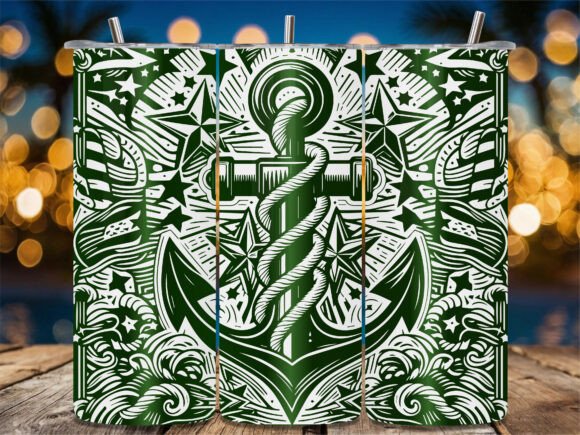
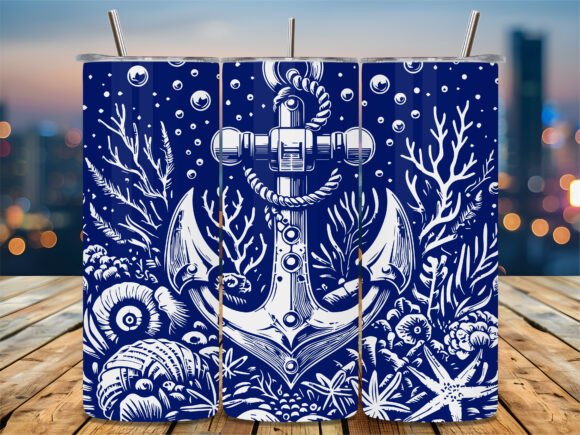
The first thing that strikes you about Nautical Anchor Shells is its mood. It captures that classic coastal vibe without feeling cliché or overly cartoonish. The layout combines the sturdy, geometric lines of an anchor with the organic, swirling curves of seashells. This contrast creates a visual personality that feels both nautical and elegant. For a designer, this is crucial because it means the graphic isn't limited to just beach towels; it has the sophistication to work on boutique apparel or high-end home decor. The composition suggests a careful hand in its digitizing, aiming for clean transitions between elements rather than a cluttered mash-up of icons.
Putting the Design to Work: A Real-World Scenario
To truly test this embroidery file, I imagined a specific scenario: a custom order for a local boutique specializing in seaside wedding gifts. The client wanted a set of personalized linen tea towels and canvas tote bags for a bridal party heading to a destination wedding. This is where Nautical Anchor Shells really shines. The design scales well, maintaining its clarity whether it is stitched small on a pocket or large on the back of a tote.
When visualizing the finished product, I could immediately see how the design would elevate a simple white canvas tote. The anchor provides a strong focal point, while the surrounding shells soften the look, making it perfect for a personalized gift. For the linen tea towels, the open spaces in the shell details would allow the fabric texture to peek through, adding a lovely, airy feel that dense fills often destroy. If you are an Etsy seller or run a small shop product line, this versatility is gold. You aren't stuck selling just one type of item; you can offer this as part of a cohesive collection ranging from sweatshirt embroidery to nursery decor.
Performance on Different Fabrics and Surfaces
In the world of commercial embroidery, one size rarely fits all. While Nautical Anchor Shells appears robust, there are specific contexts where you need to exercise caution. If you are planning to stitch this onto stretchy fabrics like jersey knits for baby embroidery projects, you must pay close attention to your stabilizer choice. The combination of the anchor's straight lines and the shells' curves can cause shifting if the fabric isn't supported correctly. I would recommend a cut-away stabilizer for anything that will be washed frequently, ensuring the stitch density doesn't distort the garment over time.
Another consideration is dark fabric. The design relies on distinct outlines to separate the anchor from the shells. On a navy blue or black background, you need to ensure your thread colors provide enough contrast. A metallic gold or bright coral thread could make the design pop, but you might need to adjust the underlay settings in your software if the file allows, or simply choose a lighter thread palette to prevent the design from getting lost. For curved surfaces like caps, the density of the anchor section might be too heavy for some machines unless the design has been specifically optimized for headwear. Always check the recommended hoop size before committing to a hat project.
Visual Appeal and Brand Consistency
Beyond the technical stitching, we have to talk about value. A design like Nautical Anchor Shells adds perceived value to a handmade product. It looks professional, which builds customer trust. When a buyer sees clean satin stitch borders and well-defined fill stitch areas, they recognize quality. This is essential for craft business owners trying to stand out in a saturated market. The design acts as a brand asset; if you use it consistently across your printable mockup previews and actual inventory, it helps create a recognizable aesthetic for your shop.
The interplay of textures within the design also matters. If the digitizer has used a mix of running stitch for fine details and heavier fills for the main bodies, it creates depth. This depth makes the embroidered patch or direct-to-garment application look more expensive. For holiday embroidery themes, such as a summer solstice gift or a Fourth of July celebration, this design fits naturally without needing major modifications. It bridges the gap between a generic clipart image and a bespoke piece of art.
Practical Notes for the Serious Maker
Before you rush to list this in your store or stitch it onto a client's heirloom quilt, here are my practical recommendations based on reviewing similar design assets:
- Test on Scrap First: Never skip the test run. Stitch Nautical Anchor Shells on a scrap piece of the exact fabric you intend to use. Check for puckering, especially around the tight corners of the anchor flukes.
- Check Thread Contrast: Lay out your thread spools next to the fabric. Ensure the color separation is distinct enough to define the shells against the anchor.
- Review Stitch Density: Look closely at the shell interiors. If the stitches are too dense, the fabric may become stiff. If they are too sparse, the backing might show through.
- Verify Licensing: Since this falls under Crafts and Graphics, confirm the license terms. Can you sell the physical custom apparel? Can you sell the digital file? Knowing this protects your business.
- Inspect Small Details: Zoom in on the connection points between the shells and the anchor. These are common areas for thread breaks if the travel stitches aren't managed well.
- Mockup Testing: Create black and white mockups to see how the design reads without color. If it holds up in grayscale, the structure is solid.
It is also worth noting that while the product description mentions "Laser Wrap Design" for tumblers, as an embroidery reviewer, I am evaluating its potential for thread-based applications. If you are adapting this from a laser concept to embroidery, be extra vigilant about thin lines that might work for engraving but are too delicate for thread. You may need to thicken certain elements in your editing software to ensure durability in a tote bag design or apron application.
Ultimately, Nautical Anchor Shells feels like a reliable addition to a designer's library. It offers a blend of thematic charm and structural soundness that, when handled with the right materials and techniques, can produce stunning results. Whether you are creating a single personalized gift for a friend or scaling up production for a small business, this design has the potential to perform beautifully. Just remember, the file is only half the equation; your choice of fabric, thread, and stabilization determines the final success of the project.