Running Horses Canyon: A Designer's Field Test
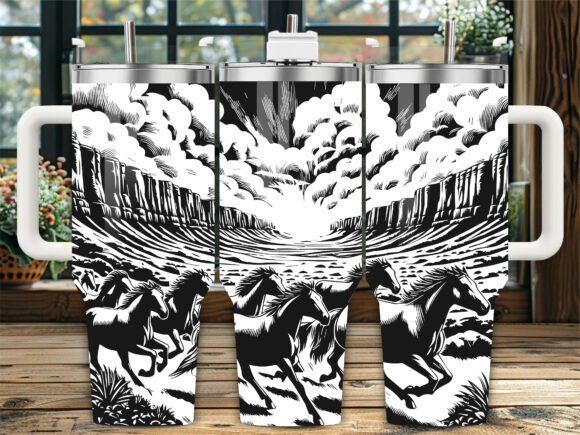
When I first pulled up the Running Horses Canyon file on my screen, my immediate reaction wasn't to check the stitch count or the color palette. Instead, I paused to look at the flow. As a designer who spends half their life staring at digitized patterns and the other half wrestling with thread tension, I know that a design's success lives in its silhouette. This particular graphic, categorized under Crafts and Graphics, carries a distinct Western spirit. It feels expansive, capturing the motion of horses against a rugged landscape backdrop. However, before you commit this to a client's custom apparel or your next Etsy listing, we need to talk about how this digital asset translates from a laser-ready concept to a tangible embroidered reality.
The Visual Personality and First Impressions
The mood of Running Horses Canyon is undeniably rustic and free-spirited. The layout suggests movement, with lines that guide the eye across the horizon. For an embroidery project, this kind of directional flow is crucial. If you are planning to place this on a curved surface like a cap or a structured tote bag, that horizontal movement needs to align perfectly with the garment's seams to avoid looking distorted. The visual personality here is bold; it isn't a shy, delicate floral motif meant for a baby onesie. It demands space. It belongs on items that can handle a statement piece, such as a heavy cotton sweatshirt, a canvas apron, or a decorative pillow cover for a cabin-style interior.
One thing to note immediately is the source material. The product description highlights that this design was originally created for a Laser Tumbler Wrap. This is a critical detail for any machine embroidery enthusiast. Laser files rely on vector paths for burning, whereas embroidery relies on stitch types like satin stitch, fill stitch, and running stitch to build texture and coverage. While the SVG and EPS files included in the download are excellent for scaling, they are not ready-to-stitch embroidery files. You cannot simply load an SVG into your embroidery machine and expect magic. This graphic serves as a phenomenal base for customization, but it requires a skilled hand to digitize it properly for thread.
Real-World Application Scenarios
Let's imagine a realistic scenario. You run a small shop product line focused on outdoor enthusiasts and Western wear. A customer approaches you wanting a personalized gift for a rancher who loves horseback riding. They want something unique, not a generic clip-art horse. Running Horses Canyon is perfect for this. You could take the vector elements, re-digitize them with appropriate stitch density for denim or twill, and create a stunning embroidered patch. Patches are incredibly popular right now, and this design's strong outlines would translate beautifully into a merrowed edge patch that can be ironed onto jackets or hats.
Another viable avenue is home decor. Imagine this design stitched onto a linen tea towel or a burlap runner. The "canyon" aspect of the theme suggests earth tones—terracotta, sage green, slate blue, and warm browns. When working with these fabric textures, the choice of thread colors becomes paramount. A flat fill stitch might get lost on burlap, so you might opt for a textured fill or even incorporate applique design techniques using felt or leather scraps to mimic the rugged terrain. This approach elevates the perceived value of the handmade product, making it suitable for boutique branding or high-end craft fair products.
Navigating Technical Challenges
While the aesthetic potential is high, there are areas where you must proceed with caution. Because the original file is intended for laser engraving, the details might be finer than what is practical for standard home embroidery machines. Tiny lettering or intricate canyon ridges that look crisp in a vector PDF might turn into a bird's nest of thread if the stitch density is too high or the details are too small for your needle size.
If you decide to adapt this for a small hoop size, you will likely need to simplify the background elements. The horses should remain the focal point; everything else is secondary. On stretchy fabrics like jersey knits used for t-shirts, a large, dense design can cause puckering. In this case, using a cut-away stabilizer is non-negotiable. You must test the design on scrap fabric first. Do not skip this step. Check how the fabric reacts to the stitching, especially if you are attempting to replicate the "engraved" look with very tight satin stitches. On dark fabric, ensure your thread contrast is sufficient. A dark brown thread on a black sweatshirt will vanish, ruining the impact of the running horses.
Enhancing Brand Consistency and Customer Trust
For Etsy sellers and creative entrepreneurs, consistency is key to building buyer engagement. If your brand is known for high-quality, durable goods, the finished product must reflect that. A poorly digitized version of Running Horses Canyon with loose threads or uneven coverage will erode customer trust. However, when executed well, this design adds significant value. It tells a story. It connects the buyer to a lifestyle of adventure and nature. This emotional connection is what turns a one-time buyer into a repeat customer.
Consider the washability of the final item. If this design ends up on a kitchen towel or a child's holiday embroidery project, it needs to withstand frequent laundering. Dense stitch areas can become stiff and uncomfortable if not balanced correctly. Review the stitch direction; interlocking stitch angles can add durability and prevent the design from shifting over time. For commercial embroidery projects, longevity is just as important as aesthetics.
Practical Notes for the Modern Maker
Before you list this as a digital embroidery file or start stitching, keep these practical tips in mind:
- Verify Licensing: Always confirm the license terms before selling finished items. Just because you bought the graphic doesn't automatically grant unlimited commercial rights for physical goods versus digital resale.
- Digitizing is Key: Remember, this is a graphic asset. You need to convert it into a proper machine embroidery design format compatible with your specific machine.
- Mockup Testing: Create printable mockups in both black and white and full color to see how the contrast holds up before committing to thread.
- Fabric Selection: This design shines on medium-to-heavy weight fabrics. Avoid sheer or overly textured materials that might obscure the canyon details.
- Stabilizer Choice: Match your stabilizer to the fabric weight. Heavy designs need strong support to maintain their shape.
In conclusion, Running Horses Canyon is a versatile and evocative graphic that holds immense potential for the right creator. It is not a plug-and-play solution for embroidery, but rather a high-quality foundation for those willing to put in the design work. Whether you are creating a custom apparel line, a set of nursery decor, or a series of personalized gifts, this design offers the raw material for something truly special. Treat it with the respect of a professional asset, adapt it with care, and it will undoubtedly become a standout piece in your portfolio.